


While bone marrow might be the most well-known source of stem cells among common folk, did you know the umbilical cord is a goldmine of stem cells too? That is why so many health practitioners now actively recommend cord blood banking to expectant parents. However, the concept is still pretty new in India and if you have been curious about the process of cord blood collection, you have come to the right place. Allow us to walk you through the entire journey – from planning to withdrawal, if needed.
Step-By-Step Process Of Cord Blood Collection
1. Planning for cord blood banking
Planning for cord blood banking can start as early as the second trimester of your pregnancy. However, you can start in the third trimester too. Based on a consultation with your medical team, you can choose between private and community banking options.
The former might give you complete access to your deposited units but it is more expensive. With the latter, such as LifeCell’s Community Stem Cell Banking for example, you get access to your deposit along with a wider community pool of other units, which increase your chances of finding a perfect match.
2. Order your kit
Once you have chosen your cord blood bank, order their collection kit and store it intact in a safe, dry and hygienic place. The collection kit should not be tampered with in any way. You will have to pay for the collection kit.
You might even be required to choose your storage and coverage plan and pay for it accordingly, depending on your cord blood bank. You can opt for family coverage plans too. They might cost a little more, but they cover your baby, any sibling they may have, both you and your partner and any extended family member you wish to include in the coverage. However, before paying, speak to your insurance provider and cord blood bank to see if you can get financial aid.
3. Carry your kit with you on your delivery day
It is absolutely critical that you do not skip this step. When packing your delivery bag, make sure you add your cord blood collection kit in it. Also, at this stage, it is important for you to inform your medical team or your cord blood bank of your due date at least a couple of hours in advance so they can prepare for collection.
4. Collection process at the hospital
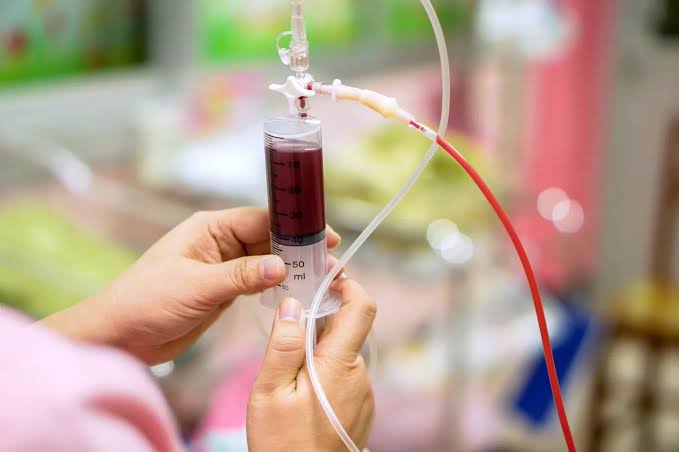
Here is what really happens during cord blood collection. After you deliver your baby, the umbilical cord connecting you and your child will be severed from both ends. Normally, the umbilical cord is discarded after removal, but in this case, it is cleaned up so a paramedic can draw blood from it with the help of a syringe. The collected blood is then stored in a tamper-proof packaging and sent to a lab.
The good news is that since the blood is collected only after the umbilical cord has been cut, neither you nor your baby will feel any kind of pain or discomfort. In fact, it won’t rob you off the sheer joy of childbirth either. You probably won’t even notice the paramedic extracting and storing the blood! It’s that hassle-free and minimally invasive.
5. Lab testing
Collected cord blood samples are appropriately labelled with your personally identifying information and sent to a lab where they are thoroughly tested for diseases. Once cleared, they are processed into their final storage unit and kept in temperature-controlled cryo-chambers for prolonged preservation.
6. Delivery of test results
The testing process can take about 25-30 days. However, as soon as the reports come in, they will be shared with you in a digital format so you can examine your deposited unit’s status. The reports will carry your unique identification number which you can use for all types of correspondence with your cord blood bank. The whole process is very streamline, systematic, and hygienic so you don’t have much to worry about.
7. Lifelong storage and access
Collected units are kept in highly secure and advanced facilities to ensure their composition remains intact for decades to come. For example, if you opt for LifeCell’s services, they provide storage plans that last as long as 75 years. Plus, you get access to a huge inventory of readily available stem cell units, which increase your chances of finding the most appropriate match when needed. The most major benefit of storing cord blood is that you can use it in the future for your baby (or its family member) in case of medical emergencies. It can help in the treatment of a host of conditions – from potentially fatal ones such as cancers to severe diseases such as blood disorders, immune conditions and more.
Conclusion
As you can see, cord blood collection is a very simple and straightforward process. By partnering with a reputable cord blood bank, you can be sure your deposit will be collected, processed, and stored in the most hygienic and scientifically advanced manner. Yes, you have to pay an annual storage fee but for the benefits you and your baby get, calling it an investment would be wiser. So, go ahead and secure your child’s health with cord blood banking.